
• Is intense exercise in a protective mask harmful to health or reduces exercise capacity?

    Is intense exercise in a protective mask harmful to health or reduces exercise capacity?

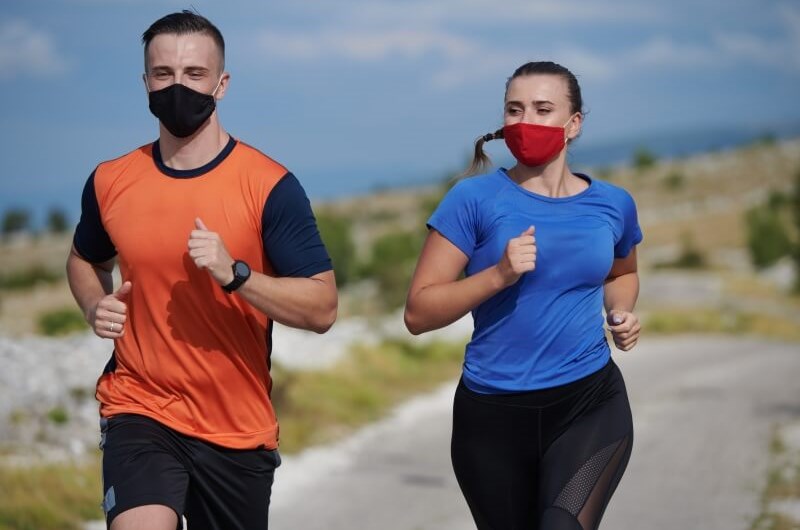
    The need to wear masks while outdoors is causing many active people to wonder what the effect of wearing masks is on exercise capacity, and also - whether it is safe to do so. As in many COVID-19 pandemic cases, many theories arise, such as that breathing while wearing a mask during exercise does not bring adequate amounts of oxygen to the lungs and consequently to the blood.

  • Running: not necessarily more - just smarter

    Running: not necessarily more - just smarter

    Can two running interval training programs characterized by identical volume (time), identical intensity, identical work performed, identical distances to be covered and identical interval times produce significantly different results in terms of increased aerobic and anaerobic capacity? Researchers at Israel's famous Wingate Institute answered this question. Of course, the compared programs were not...
  • Strength, plyometrics and dynamics reduce the energy cost of running

    Strength, plyometrics and dynamics reduce the energy cost of running

    Research results published some time ago once again confirm the beneficial effect of strength training on improving running economics in long-distance runners. It is running economy, measured by oxygen consumption per kilogram of body weight per unit of distance covered at a given running speed, that is one of the main factors differentiating the performance of long-distance runners.
  • Reducing the volume of running training improves performance in triathlon

    Reducing the volume of running training improves performance in triathlon

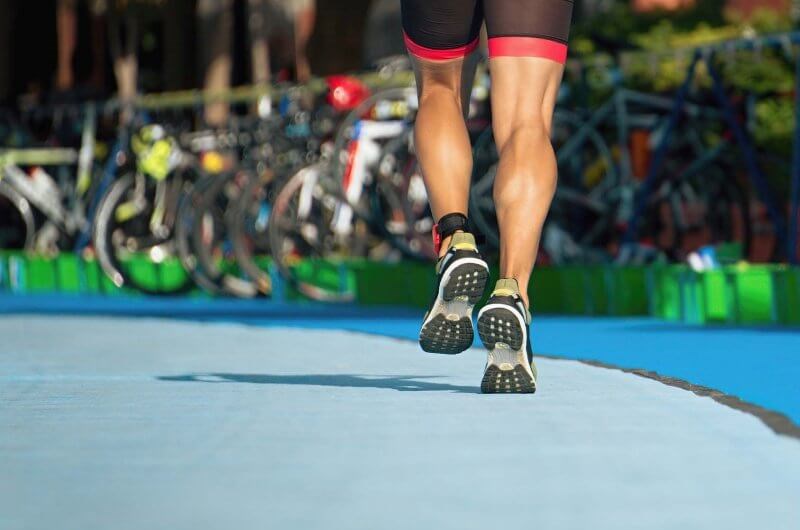
    The above title is unfortunately just a big mental shortcut, so some people reading this may be a bit disappointed, as nothing comes for free - in this case, the “price” was very high intensity. Researchers from two Spanish universities decided to see how a 5-week, almost 3-fold reduction in running training volume would affect the performance of Olympic distance triathletes.
  • Interval training - the shorter, the harder

    Interval training - the shorter, the harder

    Interval training is commonly used in the practice of endurance sports training. Understanding the stresses of using different types of protocols for this type of training is key to designing individual sessions and creating training plans.
  • Copenhagen Adduction - a simple exercise quickly strengthens the thigh adductors

    Copenhagen Adduction - a simple exercise quickly strengthens the thigh adductors

    Acute injuries to the thigh adductor muscles are one of the most common muscle injuries in soccer players and generally the most common injury to the groin area in sports. Low thigh adductor muscle strength is often associated with this type of injury. Widespread and regular use of thigh adductor strengthening exercises could potentially decrease the incidence of this type of injury.
  • Not seeing progress? Train more!

    Not seeing progress? Train more!

    Typical recommendations for those looking to improve their fitness suggest a commitment to endurance training of at least 150 minutes per week. It is widely believed that, on average, about 20% of people who have undertaken such physical activity do not improve their cardiorespiratory fitness for reasons that are not fully known, most often attributed to genetics. They are classified as so-called...
  • What Repetition Scheme in Resistance Training Delivers the Best Results?

    What Repetition Scheme in Resistance Training Delivers the Best Results?

    What Repetition Scheme in Resistance Training Delivers the Best Results? Resistance training employs numerous repetition schemes by manipulating volume (number of repetitions) and intensity (load).
  • Functional training at Rehasport

    Functional training at Rehasport

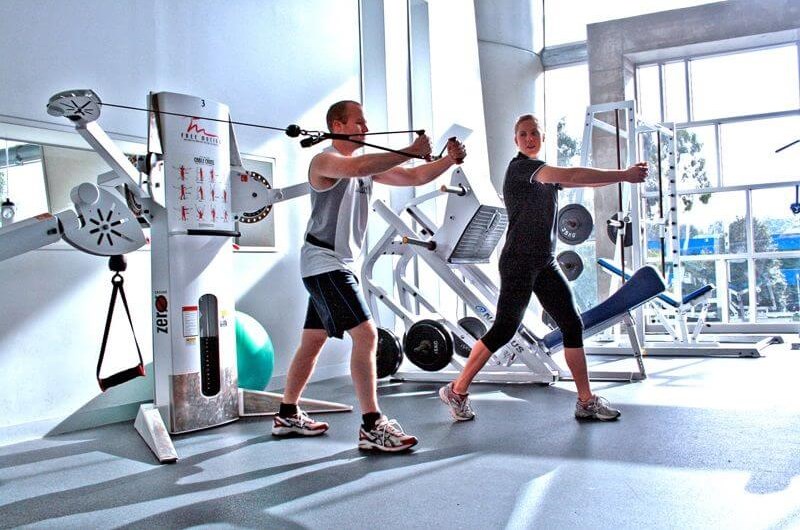
    Functional training typically avoids machines, favoring specialized equipment that allows for complex, explosive movements with parameter tracking. Non-conventional tools such as thick ropes, sandbags, balance platforms, weighted vests, suspension straps, kettlebells, medicine balls, sleds, and heavy tires are often used.