

 616281181


The McKenzie method in the fight against back pain
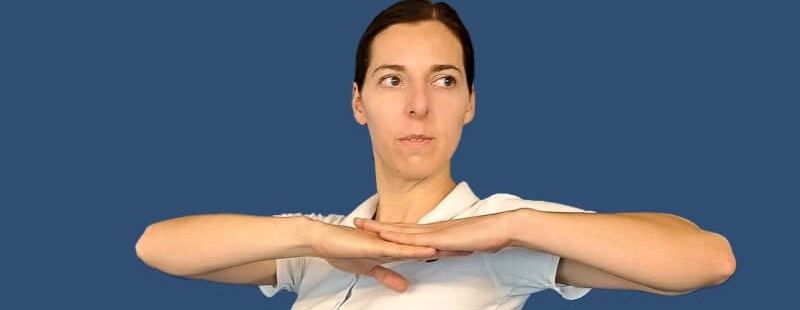
The McKenzie method was developed in 1981 by New Zealand physiotherapist Robin McKenzie. The main goal of McKenzie method therapy is to reduce pain and enable recovery, while avoiding recurrence of pain episodes. The physiotherapist, after a thorough interview with the patient and a physical examination, selects an appropriate set of exercises with guidelines tailored to the condition. The patient does not need special equipment, and the exercises are simple enough to be performed at home. Patient independence in the McKenzie method is key. This allows a high frequency of rehabilitation to be maintained without the need for daily visits to a physiotherapist. McKenzie exercises often make it possible to avoid surgery.
Indications for exercises using the McKenzie method
- herniated nucleus pulposus,
- acute cervical, thoracic and lumbar discopathy,
- pain of mechanical origin resulting from compression of nerve structures,
- sciatica,
- shoulder sciatica.
McKenzie method - classification categories
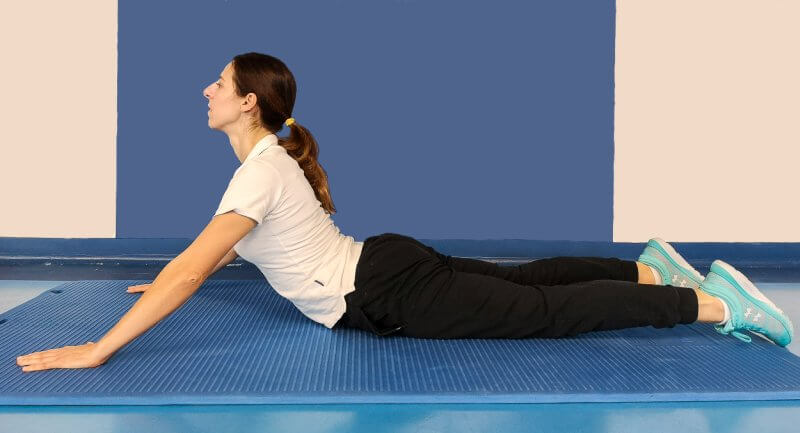
Postural syndrome - refers to pain, including sciatica, which occurs most often in young people as a result of long-term overloading of musculoskeletal structures. It can be caused by improper posture during daily activities, such as lifting heavy objects from the ground with straight knees or prolonged sitting and frequent hunching. Spinal pain generally subsides when the patient is brought out of the static position. Treatment with the McKenzie method also includes patient education, postural correction and avoidance of situations that provoke pain.
Dysfunctional syndrome - refers to pain that results from mechanical deformation of structurally damaged tissues, e.g. scar tissue, degenerative changes within the tissue, e.g. contractures and tissue adhesions. Here we are dealing with complaints occurring at the end of the range of motion achieved. Treatment with the McKenzie method involves remodeling the tissue that restricts movement through exercise to make it painless over time.
Structural syndrome - refers to pain that is caused by assuming an abnormal posture due to loss of flexibility and normal spinal mobility. It is often associated with disc damage. It is the most common classification of treatment that applies to physically inactive people who work long hours in a sitting position, although damage can also occur during completely different activities such as bending, lifting, etc. Neurological symptoms in the form of numbness and tingling in the limbs, as well as loss of sensation or muscle strength can also occur here.
Treatment process in the McKenzie method
The physiotherapist collects information about the symptoms and the situations in which they occur.
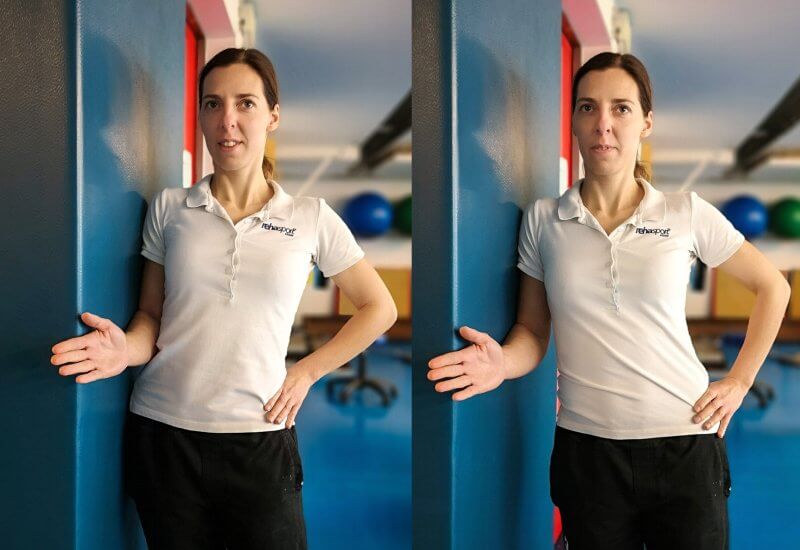
He or she conducts an examination, prescribing certain movements and assuming certain positions to find out how they affect spinal pain.
Based on an assessment of the symptoms, the physiotherapist classifies one of the pain syndromes.
Initiation of treatment through appropriate McKenzie exercises aimed at reducing pain.
Prevention by educating and encouraging the patient to exercise and self-monitor regularly.