
 616281181


Medical training an essential part of returning to sports after a period of rehabilitation!
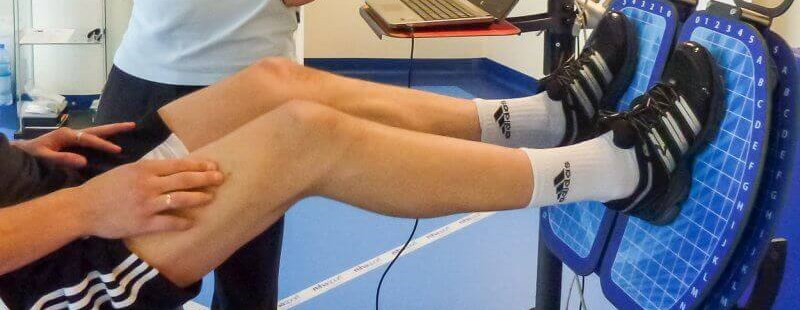
In competitive sports, after an injury and conservative treatment, or an athlete's injury and surgery, we are committed to returning to training and competition as quickly yet safely as possible. This is only possible if the athlete undergoes a full process of rehabilitation and medical training aimed at restoring full or near-full function of the musculoskeletal system in matters such as active and passive range of motion (ROM), strength, speed, power and endurance, neuro-muscular control or proprioception. This process is generally carried out by a collaborative team that includes an attending physician, a physiotherapist and, in a later phase, a motor preparation coach.
When is functional medical training introduced?
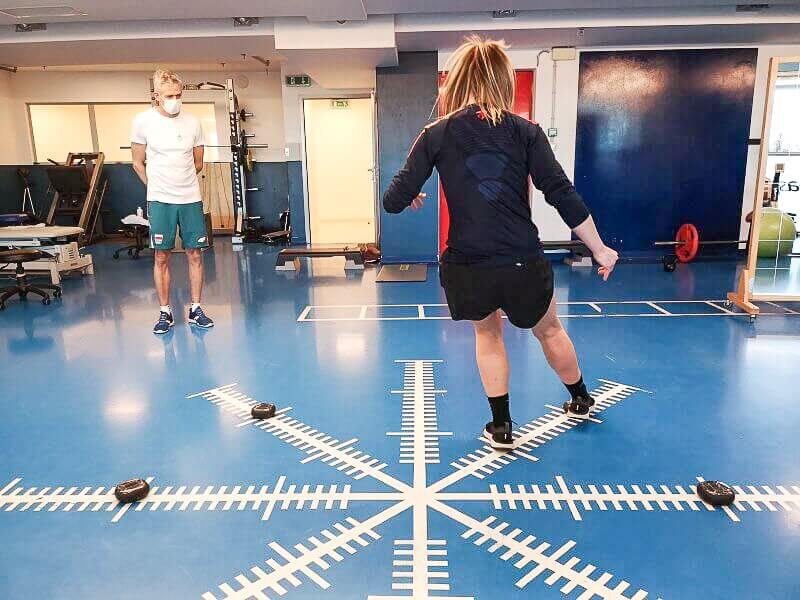
A variation of functional medical training is introduced to the athlete in the final phase of rehabilitation. After complete resolution of pain, recovery of joint range of motion in the rehabilitated area (often applies to the knee joint), equalization to about 10-15% of lateral strength disparity and muscle control, the athlete should work on a full return to specialized training and then competition. Such training will gradually lead from a phase of isolated exercises with low load and low speed of movement, to complex movements, similar in nature to those found in the target discipline and performed with increasing load, increasing speed and possibly additional elements (proprioception, distractors, physical contact) specific to the discipline.
Objectives of medical training:
- preparing the body to return to pre-injury sports activity,
- working to compensate for dysfunctions of the musculoskeletal system,
- training correct posture,
- leading to the equalization of muscular imbalances,
- restoring movement patterns characteristic of the sport practiced,
- minimizing the likelihood of injury recurrence.
Important elements of medical training
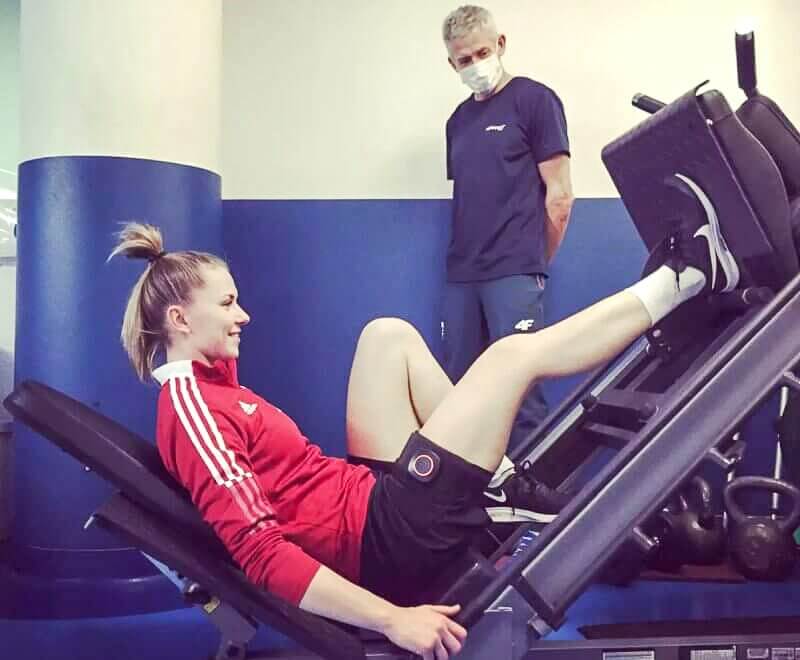
In medical training, attention should be paid to the issue of load progression, striving to compensate for any disproportions between limbs, transferring the effects of exercise to the target discipline, appropriate involvement in training agonist / stabilizing muscles, as well as antagonist muscles, which in many sports involving the arm (throws, punches, racket rebounds) play an important role as decelerators of movement and should be trained in a specific way. Another important goal of medical training is for the athlete to regain confidence in performing movement after an injury. An integral part of this process is regular diagnostics of training progress with a battery of specialized tests, depending on the type of injury sustained and the healing process.
Medical training not just for athletes
Although medical training was developed mainly with an eye toward athletes, their return to physical fitness and pain-free performance of daily activities after an injury, over time it has acquired a broader application. It has become helpful for people who are not very physically active, the elderly or those with general health problems who want to function better in daily life or enter the process of improving any form of physical activity. Functional medical training also has applications in the last phase of rehabilitation as prevention of further injuries. Above all, it is safe and effective, which is appreciated by an increasing number of patients and personal trainers.
The final phase of medical training
In the final phase, the process of medical training can overlap with club training, which at first will be performed in a non-competitive environment, in which over time there will be elements of competition, and then a full return to regular training, and over time, a return to full competition.