
 616281181


Indications for Orthokine Therapy
Orthokine therapy is mainly used in the treatment of degenerative and inflammatory conditions affecting the joints and spine. It is especially recommended for patients with early to moderate stages of osteoarthritis — particularly in the knees, hips, shoulders, or small joints of the hands — with the goal of relieving pain and slowing disease progression. This method is also used for chronic spinal pain syndromes, especially in the lumbar region, which often result from overuse injuries or disc degeneration. Orthokine has shown good results in treating chronic tendon and ligament attachment inflammation, such as “tennis elbow” (enthesopathies and tendinopathies), particularly in cases where conventional treatments have failed.
Common indications include:
- Joint pain – osteoarthritis (e.g., of the knee or hip)
- Back pain – particularly in the lumbar spine
- Post-operative joint recovery – e.g., after knee ligament reconstruction
- Sports injuries – affecting joints, muscles, or tendons
Stages of Orthokine Therapy
Blood Collection
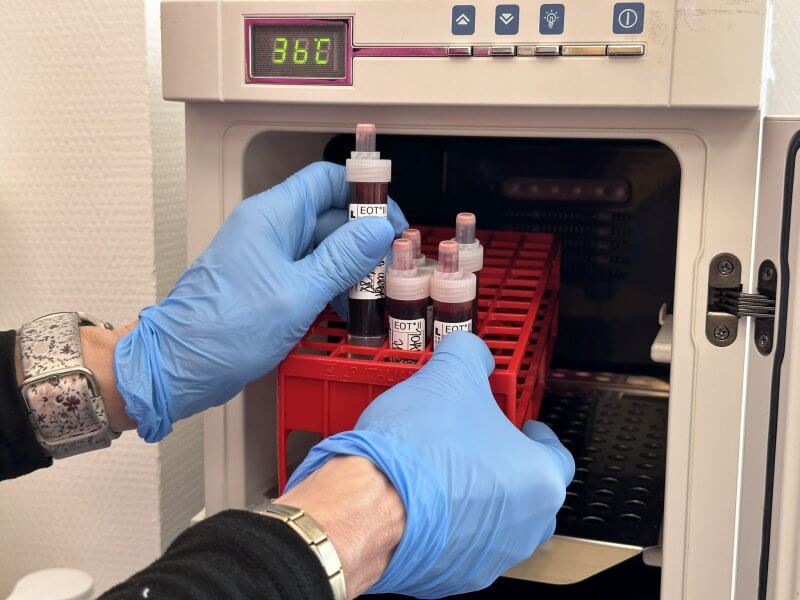
The process begins with drawing a small amount of venous blood (usually around 50 ml), similar to a standard lab test. The blood is collected in special tubes containing beads that activate immune cells, which begin producing beneficial proteins.
Incubation
The blood-filled tubes are incubated for about 6–9 hours at a controlled temperature (around 37°C). During this time, white blood cells intensify the production of anti-inflammatory proteins, particularly the natural interleukin-1 receptor antagonist (IL-1Ra), which plays a key role in reducing inflammation in the body.
Serum Separation
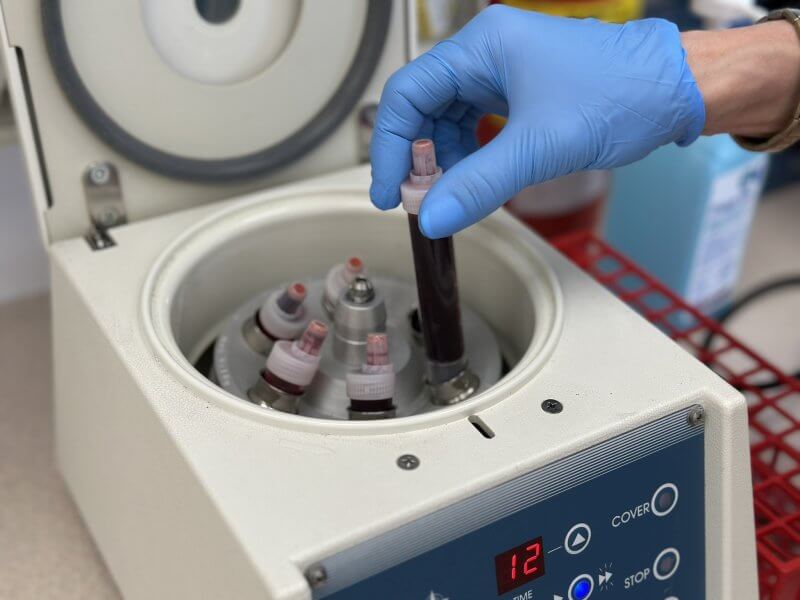
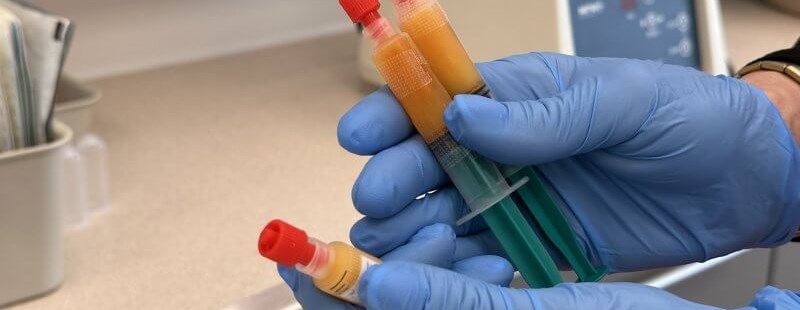
After incubation, the blood is centrifuged to separate the serum, which is now rich in anti-inflammatory cytokines. This serum is referred to as ACS — Autologous Conditioned Serum.
Injection of the Serum
The prepared serum is injected directly into the affected area — typically a joint, tendon attachment, or spinal region. A series of injections is usually administered, most often 3 to 6, spaced a few days apart.
Monitoring and Follow-up
After the treatment cycle is complete, the patient is monitored by a physician to assess progress and determine further steps. Improvement may be felt within the first few weeks and can last for several months.

Is Orthokine Therapy Painful?
Orthokine therapy is generally well tolerated and not considered painful, although — like any injection-based procedure — it may cause mild discomfort.
- During blood draw – patients may feel a slight pinch, similar to standard blood tests.
- During injection – the serum is injected directly into the treatment site (e.g., a joint or near the spine), which may cause brief discomfort or pressure, but is usually not painful. Local anesthesia can be used if needed.
- After injection – some patients may experience temporary pain, tightness, swelling, or tenderness at the injection site. These symptoms typically subside within 1–2 days and are mild.
Since the serum is derived from the patient’s own blood, the risk of complications or allergic reactions is minimal. Patients who are concerned about discomfort should speak with their doctor — appropriate measures can be taken to minimize any unpleasant sensations.
How Long Does the Therapy Take?
The entire Orthokine therapy process — from blood draw to first injection — usually takes one day, while the full course of treatment typically spans 2 to 3 weeks, depending on the number of planned injections.
Day 1 – Blood Collection and Serum Preparation:
- Blood collection takes just a few minutes.
- Samples are then incubated for 6–9 hours.
- After incubation, the serum is centrifuged and prepared for injection (often later the same day or the next morning).
Day 2 – First Injection:
- The injection procedure takes about 10–15 minutes.
- In some cases, if conditions allow, the injection may be given the same day as the blood draw, but more often it occurs the next day.
Follow-up Injections (every 3–7 days):
- Typically, 3 to 6 doses are administered in intervals of several days, depending on the treatment plan.
- Each injection session takes only a few minutes.
In total, the therapy usually lasts from one to three weeks, and most patients are able to return to their regular daily activities between treatments.