
 616281181


What does orthopedic rehabilitation consist of?
Orthopedic rehabilitation is aimed at restoring the functions of the musculoskeletal system and activities lost as a result of accidents and diseases, as well as congenital and acquired lesions of the skeletal, articular and muscular systems. Patients with various types of orthopedic injuries, both mechanical musculoskeletal and overload injuries, come to our clinic. Very often, Rehasport specialists deal with sports injuries, because today more and more people are amateur jogging, cycling or trying their hand at triathlon. Every patient will encounter comprehensive care at the Rehasport clinic, both in the case of referral for surgery and in conservative treatment.
In case of injury, every patient should contact the clinic as soon as possible and make an appointment to see an orthopedist. Sometimes additional tests, including ultrasound, X-ray or MRI, are necessary to make an accurate diagnosis. We perform these on-site. Many injuries do not require surgery - the orthopedist will then refer for orthopedic rehabilitation to a designated physiotherapist, with whom he is in constant contact. Also, if surgery is required, orthopedic rehabilitation is the next stage of treatment. Indications for it can be any injury to the limbs and spine, as well as sports injuries. Patients most often benefit from orthopedic rehabilitation after ligament reconstruction in the knees, bone fractures, joint injuries (shoulder, hip, knee, ankle) or malformations and strains (especially of the spine).
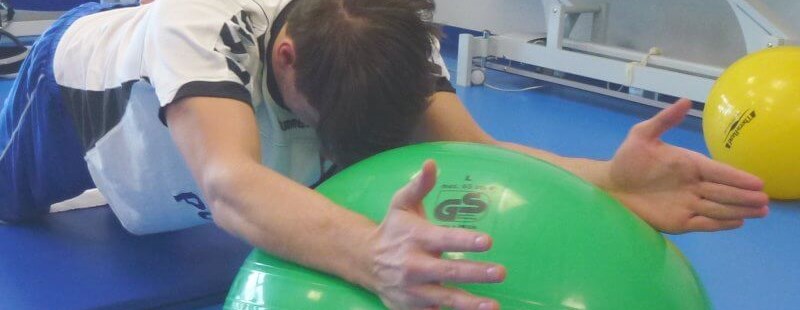
In rehabilitation, we always aim for our patients to achieve full mobility and return to an active lifestyle or sport. We achieve this goal through active cooperation between the doctor, diagnostician and physiotherapist. An important aspect of orthopedic rehabilitation with a qualified physiotherapist, in addition to manual work, is rehabilitation training using modern orthopedic equipment. In the process of rehabilitation, we conduct objective tests on specialized equipment, which is used to evaluate the patient's progress and the degree of recovery. Thanks to the tests, we are able to reduce the treatment time to a minimum.
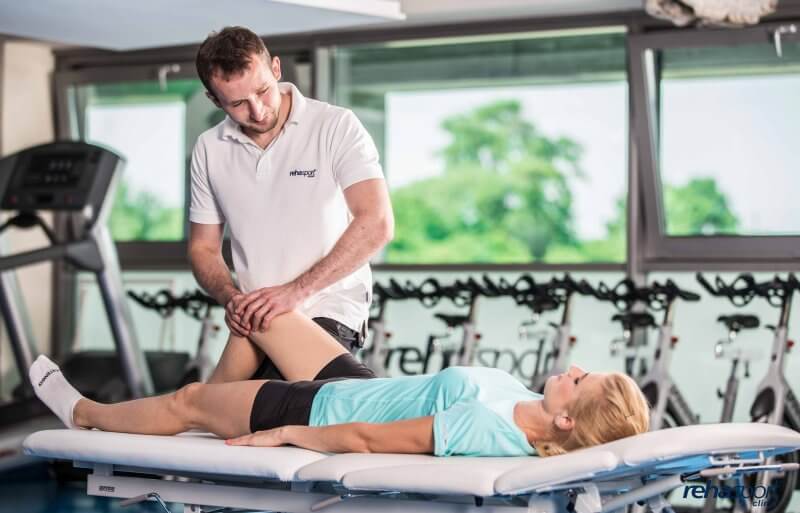
In the case of a surgical procedure, we help Patients prepare for it, as strengthening weakened muscles, restoring range of motion and improving overall fitness allow them to go through the post-operative period more easily. Post-operative rehabilitation, on the other hand, begins the day after surgery and continues until full recovery. Every patient should remember that the surgery itself is only half of the success - what also counts is the patient's subsequent involvement in the rehabilitation process and execution of the physiotherapist's recommendations.
If the injury does not require surgical treatment, conservative rehabilitation is used. This usually applies to overloads and musculoskeletal injuries that, after medical diagnosis, do not require surgical treatment. The goal of such rehabilitation is first to eliminate pain, and then to restore function, strengthening muscles. At a later stage, rehabilitation is focused on prevention of future injuries through specialized functional exercises and proprioception.