
 616281181


What does EPTE® percutaneous electrolysis therapy involve?
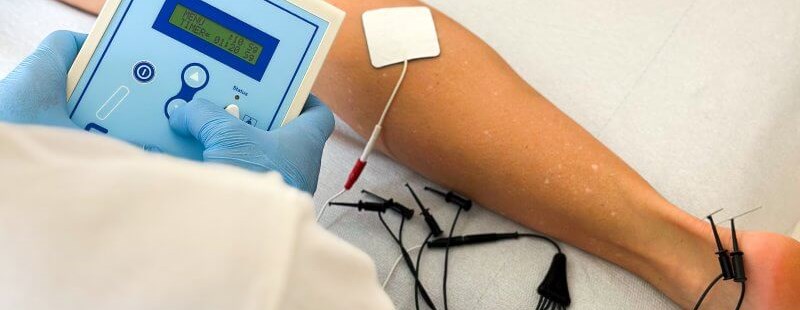
EPTE® therapy is an innovative and minimally invasive method for managing chronic tendon disorders, commonly known as tendinopathies. The procedure consists of inserting a fine needle (similar to an acupuncture needle) directly into the pathological site, followed by the administration of a very low electrical current. This electrical impulse triggers the body’s natural regenerative processes by inducing a controlled inflammatory response—necessary for the repair of damaged tissue.
Importantly, EPTE® therapy is practically painless and very well tolerated by patients. Microcurrents are usually imperceptible, and the needle insertion itself lasts only a moment. Many patients report an improvement in range of motion and significant pain reduction within just 1–2 days. EPTE® holds a European CE safety certification and is successfully applied both in professional athletes and in individuals experiencing everyday overload injuries related to work or physical activity. It represents an effective alternative to long-term pharmacological treatment or even immobilization.
Advantages of EPTE® therapy
- Rapid pain relief – many patients notice improvement within 1–2 days of the procedure.
- Supports natural healing – stimulates the body’s intrinsic regenerative capacity.
- Minimally invasive and virtually painless – the procedure is short, and the microcurrents are usually imperceptible.
- Shortens recovery time – enables faster return to full function compared to conservative therapy.
- Safe and certified method – the EPTE® device holds CE certification confirming its safety.
- Effective across patient groups – suitable for both athletes and individuals with repetitive strain injuries.
- Reduces medication needs – lowers the requirement for long-term pharmacotherapy or surgical interventions.
Common indications for percutaneous electrolysis
EPTE® therapy is primarily used for chronic tendinopathies resistant to conservative management, often associated with overload, sports, or repetitive movement:
- Rotator cuff tendinopathy (e.g., supraspinatus tendon in the shoulder)
- Tennis elbow (lateral epicondylitis)
- Golfer’s elbow (medial epicondylitis)
- Achilles tendon tendinopathy
- Patellar tendon tendinopathy (“jumper’s knee”)
- Spinal pain syndromes
- Subacromial impingement syndrome
- Plantar fasciitis
- Posterior or anterior tibial tendon tendinopathy
- Wrist and finger extensor tendinopathy
- Piriformis syndrome
- Sciatica
- Enthesopathies (muscle attachment injuries)
- Iliotibial band syndrome
- Overuse-related tendon disorders in the course of chronic conditions
How does the EPTE® procedure proceed?
1. Diagnosis and qualification
The therapy is preceded by a physiotherapy or medical consultation. The specialist assesses the patient’s complaints, performs a clinical examination, and confirms the site of damage—often with the use of ultrasound imaging.
2. The procedure itself
The skin around the treatment site is disinfected.
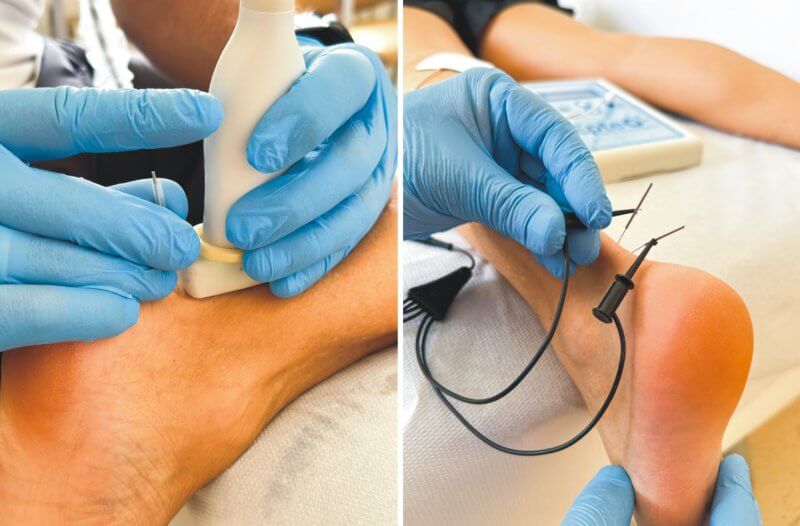
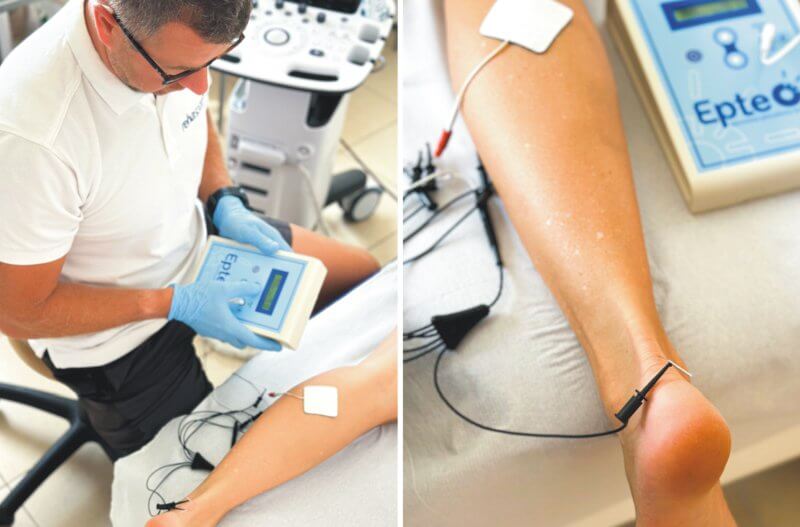
Under ultrasound guidance, the specialist introduces a fine needle (similar to acupuncture) precisely into the diseased tissue.
A low-intensity galvanic microcurrent is applied through the needle—imperceptible or barely perceptible to the patient.
The procedure is nearly painless and relatively quick. The first appointment at Rehasport Clinic lasts about 45 minutes, with subsequent sessions around 30 minutes.
3. Post-procedure care
Patients are usually advised to avoid intense physical activity for 24–48 hours.
The therapy is often combined with specific exercises and adjunctive physiotherapy to support regeneration.
Typically, 4–6 sessions are sufficient, depending on the severity of the condition.
No special preparation is required—the procedure is performed on an outpatient basis. Patients should inform the therapist about current medications, chronic diseases, implanted electronic devices (e.g., pacemakers), or coagulation disorders. Loose clothing is recommended to avoid irritation of the treated area. After EPTE®, the physiotherapist may apply a compression bandage.
It is very important not to take anti-inflammatory medication or apply ice to the treated area. For optimal results, patients should follow a program of eccentric exercises and apply heat therapy a few days after each EPTE® session.
At Rehasport Clinic in Poznań, EPTE® percutaneous electrolysis therapy is performed by physiotherapist Bartosz Kiedrowski.