
 616281181


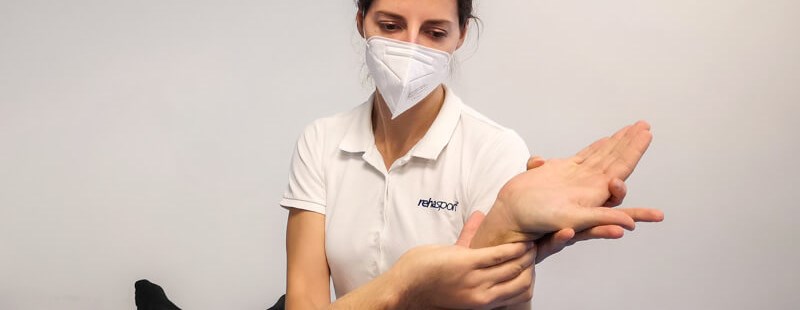
Functional and pain-free PNF method
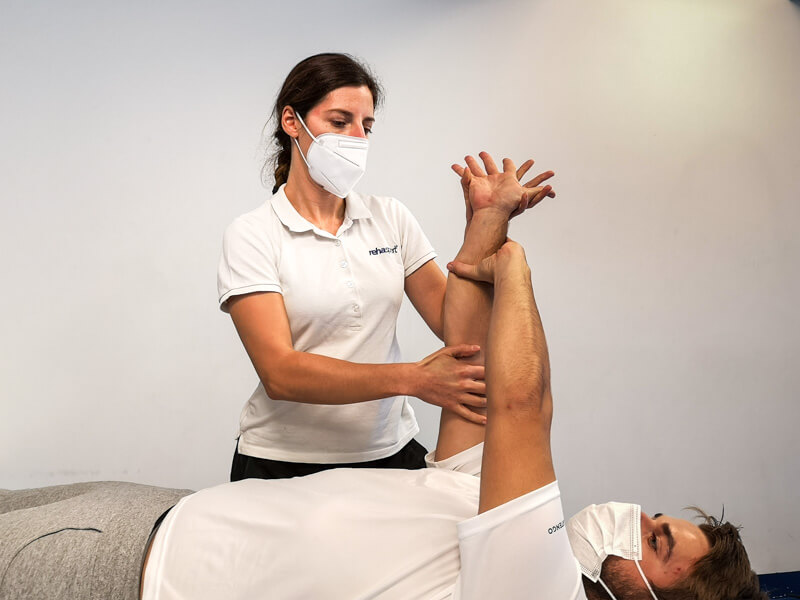
PNF therapy is intended to be functional and painless, modeled on natural human movements along oblique (diagonal) axes of motion, which, due to their course, activate the greatest number of muscles belonging to the same muscle chain.
The PNF (Proprioceptive Neuromuscular Facilitation) method is an established method of rehabilitation for patients with disorders of the skeletal-muscular and nervous systems. It pays a lot of attention to the patient's motor control, combining mobility and stability of his body. After diagnosing the problem, the physiotherapist implements the therapeutic process based on the fittest zones of the body, using them to acquire motor activity in the damaged areas of the organ. Starting the therapy away from the site of dysfunction builds in the patient confidence in the success of the exercises, stimulating the mobilization of reserves inherent in the body without fear of pain.
PNF therapy uses techniques that teach movement and coordination. They have a stabilizing, relaxing and mobilizing effect on the patient's body. Clearly defined goals influence the patient's full awareness during therapy. They teach him to change positions and movements that are performed in everyday life, such as walking, sitting, maintaining correct posture and lifting heavier objects. By explaining to the patient the rules for performing particular activities, we protect him from aggravating his ailments on his own.
What does PNF therapy include?
- using strong and healthy regions of the body to stimulate diseased and weak areas,
- use of natural movements that run in three planes and activate the greatest number of muscles,
- repeated repetition of movement sequences helps to remind (fix) the body how to perform them independently,
- direct contact with the therapist, conversation with him, as well as visual tracking of the activities performed, allow the body to perform individual tasks correctly.
What problems can the PNF method help with?
- Orthopedic - after various types of injuries to joints, bones and soft tissues, as well as after arthroscopy, reconstructive surgery, implantation of endoprostheses, or when correcting postural defects.
- Neurological - after strokes, craniocerebral and spinal cord injuries, multiple sclerosis, Parkinson's disease, disorders after neurosurgery, and disorders of vegetative functions such as breathing or swallowing.
What are the benefits of working with the PNF method?
- a patient-friendly method that provides the opportunity to work on any level of dysfunction,
- a method based on painless work, using strong regions of the body to restore lost functions,
- a high level of safety resulting from the combination of diagnosis and therapy,
- combination of therapy with patient education by continuing exercises at home,
- high efficiency of the therapy provided,
- low equipment needs.
Bibliography:
- "Proprioceptive Neuromuscular Facilitation (PNF): Its Mechanisms and Effects on Range of Motion and Muscular Function" - National Library of Medicine - J Hum Kinet - 2012
- "The Effectiveness of PNF Versus Static Stretching on Increasing Hip-Flexion Range of Motion" - Journal of Sport Rehabilitation - Landon Lempke, Rebecca Wilkinson, Caitlin Murray, and Justin Stanek - 2016
- "PNF in Practice" / An Illustrated Guide - Susan S. Adler, Dominiek Beckers, Math Buck - 2008
- "Metoda PNF" - Portal fizjoterapeuty - Kamil Radlak - 2019