


 616281181


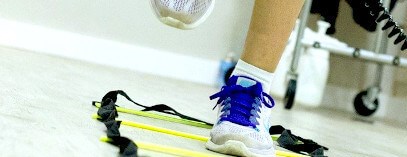
Rehabilitation after COVID-19 disease.
In survivors, the aggravated onset of the above symptoms can cause feelings of significant deterioration in quality of life, as well as depression. Treatment of the long-term effects of COVID-19 requires a great deal of effort on the part of the patient and a specialized team consisting of a doctor, physiotherapist, nutritionist and psychologist.
Rehabilitation after COVID - for whom?
The post-COVID rehabilitation program is aimed at people who, after COVID-19, have experienced negative symptoms related to respiratory distress, difficulty concentrating, balance disorders, general weakness of the body, a prolonged sense of fatigue and complaints due to reduced physical activity.
Patients with reduced physical fitness will be able to gradually increase their daily activities under the guidance of experienced physiotherapists. The physiotherapist will give the necessary instructions on how to perform certain exercises and monitor rehabilitation progress to minimize the risk of overload.
When to start rehabilitation after COVID?
Rehabilitation after COVID-19 begins about six weeks after leaving the hospital or completing home treatment. An important element is early follow-up with specialist doctors (pulmonologist, internist, cardiologist) for additional evaluation of lung and heart function. The test results determine the patient's current physical condition, which is essential for the physiotherapist in prescribing specific exercises.
What does rehabilitation after COVID consist of?
Based on the physiotherapy evaluation, visits are scheduled to help return to daily functioning and general improvement. The physiotherapy visit is aimed at improving the dysfunctions identified from the history. During individual appointments, therapy focuses on breathing exercises, exercises to improve neuromuscular control, general development exercises to improve fitness, ability to perform, and to reduce feelings of shortness of breath, and feelings of chronic fatigue. Therapy is conducted in accordance with the patient's individual capabilities. First-time rehabilitation lasts 1.5 hours, and each subsequent rehabilitation lasts about 55 minutes. In addition, consultations with a nutritionist and psychologist are possible.
Rehabilitation after COVID - how will it help?
In many patients after COVID-19, an organ that is often severely damaged is the lungs, whose fibrosis results in impaired tolerance to physical exertion and even to the performance of daily living activities such as walking, dressing and bathing. The goal of rehabilitation is to enable the patient to continuously adapt to exertion through controlled increases in physical activity.

