

 616281181


What is Thermolesion?
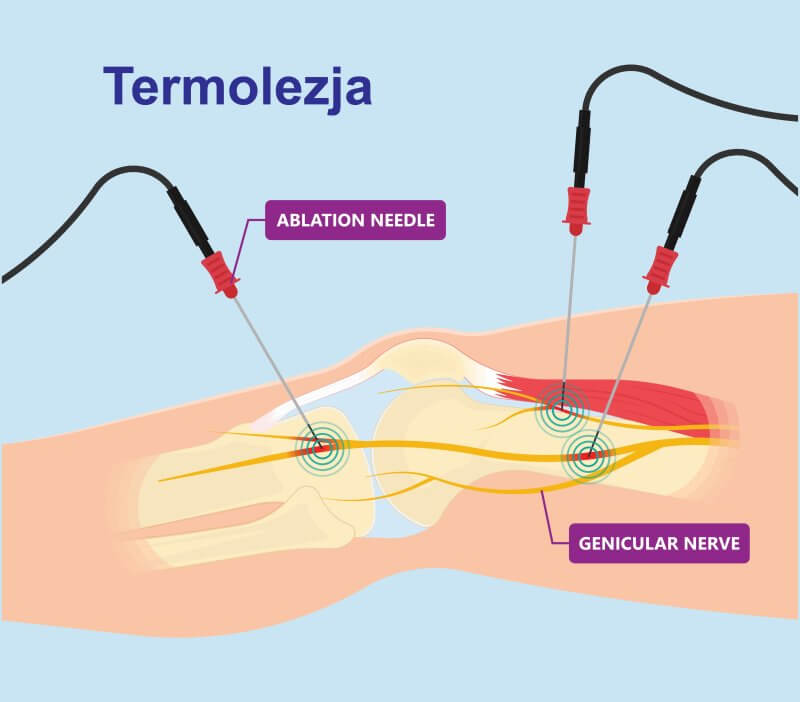
Chronic pain can significantly impact daily life, hindering basic activities. This includes headaches, back pain, or pain originating from joints (e.g., knee, hip, or sacroiliac joints). The goal of ablation is to block the transmission of nerve impulses within fibers responsible for sensing pain. A small electrode emitting heat generated by specific radiofrequency waves is inserted for this purpose. The electric current heats tissues to a temperature of approximately 70–90 degrees Celsius for 90–120 seconds. This destroys tissues within a radius of a few millimeters, effectively neutralizing the pain-transmitting nerves. The result is relief and cessation of pain perception.
Indications for Thermolesion
Ablation can be used to treat spine pain and various clinical conditions, such as osteoarthritis of the knee, ankle, and hip joints. It is also an effective treatment for radiculopathy and neuropathic pain that do not respond to other non-invasive methods or pharmacological treatments. These conditions involve irritation and abnormal transmission of impulses in sensory nerves.
Other indications for this procedure include:
- Mechanical pain in various sections of the spine, such as lumbar or cervical spine, caused by degenerative disease of intervertebral joints.
- Osteoporotic pain.
- Pain caused by cancer or vascular diseases.
- Pain resulting from osteoarthritis.
Who Can Qualify for Thermolesion?
To undergo ablation, the patient must obtain approval after consulting with a physician who assesses the qualification. The process involves:
- General Medical Interview: The physician identifies the location, nature, and intensity of the pain. The patient is informed about possible side effects and the chances of treatment effectiveness.
- Comprehensive Examinations: This includes neurological and orthopedic assessments, as well as additional imaging tests like X-ray (RTG), MRI, CT, or laboratory tests.
- Diagnostic Blockade: A test to evaluate the patient's chronic pain level, which may determine the procedure's effectiveness.
How is Thermolesion Performed?
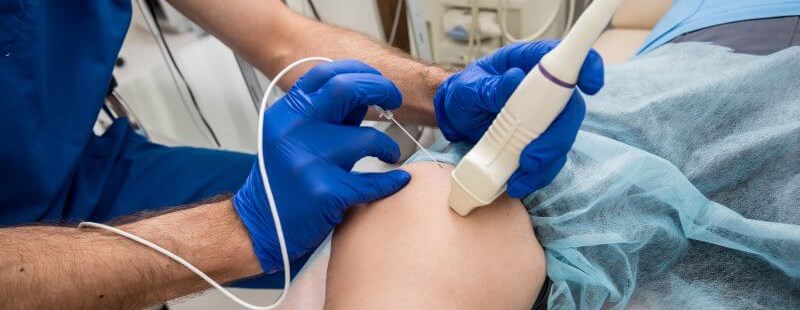
Thermolesion is performed by a physician in an operating room or a treatment suite. A needle is inserted near the nerve under diagnostic imaging guidance, and an electrode connected to an RF generator is placed inside the needle. The procedure can target several points in one session. Once the electrode is properly positioned, classical ablation is performed. A dressing is applied to the puncture site, and the patient is discharged shortly after. The procedure typically lasts about an hour.
Thermolesion is a minimally invasive method that reduces pain in most cases. No drugs or medical substances are injected into the joint. Since the procedure occurs outside the joint capsule, it can be performed before or after knee surgery. It is an effective alternative to cortisone injections, hyaluronic acid injections, or even surgery if those do not achieve the desired effect.
The procedure is painless due to local anesthesia and is considered very safe when performed by a qualified specialist.
Preparing for Ablation
Preparation for thermolesion is similar to other orthopedic procedures. Key points include:
- Informing the doctor about medications, chronic illnesses, and allergies. The physician will advise on allowable doses.
- Avoid drinking within two hours and eating within four hours before the procedure.
- Refrain from using perfumes, deodorants, or cosmetic creams on the day of the procedure.
- Bathe, if possible, before the procedure.
- Dress comfortably, avoiding tight clothing.
- Arrange for transportation home, preferably with a companion.
Thermolesion is safe (with minimal complications) and highly effective, with success rates reaching approximately 80%. Positive results typically last around 12 months, though they can sometimes extend to 18 months. Importantly, nerve fibers damaged during the procedure regenerate during this time. The procedure can be repeated.
Side Effects of Thermolesion
Like any procedure, ablation can cause side effects. These are primarily related to the puncture itself and may include temporary localized pain, mild infections, or skin hypersensitivity. These are natural reactions to external intervention and are not usually cause for alarm. Physical activity should be limited in the initial days post-procedure, and rest is advised. Once discomfort subsides, physical rehabilitation under medical or physiotherapeutic guidance can begin.
Contraindications for Thermolesion
Not all patients are suitable candidates for thermolesion. Contraindications include recent stroke or heart attack, skin infections at the puncture site, or severe stages of certain illnesses. For pregnant women, thermolesion under X-ray guidance is not recommended due to ionizing radiation exposure.