


 616281181


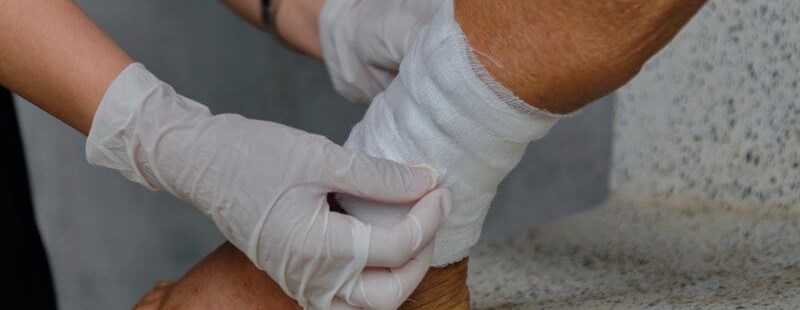
Contemporary medicine offers a wide range of specialized wound dressings that not only protect the wound from external factors but also facilitate wound cleansing and accelerate tissue regeneration. Current medical knowledge promotes a holistic approach, emphasizing the importance of addressing not only the wound itself but also the overall condition of the patient, including nutrition, lifestyle, and habits. This broader perspective significantly improves the quality of patient care.
Treatment of Chronic Wounds Using Specialized Dressings
Proper wound care and the use of specialized dressings are essential elements in the treatment of chronic wounds. These dressings are selected based on the type and severity of the wound and are used for various wound types, including postoperative wounds, pressure ulcers, burns, chronic ulcers, and wounds with exudate or a high risk of infection. An essential aspect of local wound management is choosing the appropriate dressing, considering its structure, absorbent properties, and the presence of antiseptic components.
The ideal dressing is flexible, elastic, and does not restrict movement while ensuring proper adhesion to the skin. A well-chosen dressing effectively absorbs and wicks away exudate while being gentle on the skin. Additionally, it protects the wound from external contaminants, maintains adequate gas exchange, and regulates temperature. Depending on its structure, some dressings can also help reduce pain by shielding nerve endings from irritation.
Treatment of Chronic Wounds Using NPWT
Negative Pressure Wound Therapy (NPWT) is an innovative method for treating wounds, including chronic wounds, by utilizing controlled negative pressure to accelerate the healing process. The NPWT mechanism helps maintain an optimal wound environment, promoting tissue repair by enhancing perfusion, oxygenation, and stimulating granulation tissue formation at the wound bed.
An additional benefit of NPWT is the reduction of edema around the wound and the approximation of its edges. The continuous removal of excess exudate helps decrease the bacterial load in the wound, thereby reducing the risk of infection.
Treatment of Chronic Wounds Using Autologous Dressings
Autologous dressings are an advanced solution in the treatment of chronic wounds, harnessing the body's natural regenerative abilities. These dressings are created from the patient’s own blood, which is processed to form a clot that is then applied directly to the wound surface. This method allows for the creation of a dressing that is precisely tailored to the wound’s size and shape.
The use of autologous dressings supports the body's natural healing processes, leading to faster tissue regeneration, a reduced risk of scarring, and decreased pain levels. Due to their beneficial properties, these dressings are particularly effective in treating hard-to-heal wounds, including venous ulcers, pressure sores, skin injuries, and diabetic foot ulcers.
Compression Therapy in the Treatment of Venous Diseases
Compression therapy is an effective method for the prevention and treatment of venous disorders such as chronic venous insufficiency, varicose veins, deep vein thrombosis, and lymphedema. It is also commonly used after surgical procedures associated with lower limb swelling. This therapy involves applying controlled pressure to the lower limbs, which enhances blood and lymph circulation, reduces venous stasis, and decreases swelling. As a result, venous function improves, and the efficiency of venous drainage is enhanced in both the superficial and deep venous systems.
Compression therapy is particularly recommended for patients with venous insufficiency, regardless of the presence of clinical symptoms, as it not only alleviates disease-related discomfort but also helps slow its progression. It is a conservative treatment method that can be used as a standalone therapy or in combination with other treatment modalities for chronic venous conditions.
Contraindications to Compression Therapy
Compression therapy is contraindicated in cases of lower limb ischemia related to atherosclerosis, thromboangiitis obliterans, or diabetic angiopathy. Other limiting factors include inflammatory skin conditions, subcutaneous tissue infections, and allergic reactions to the materials used in compression garments.
What to Expect During a Visit?
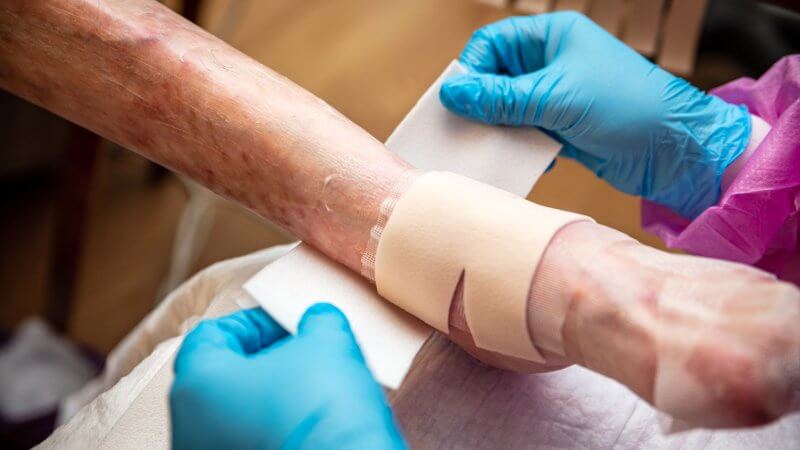
Each visit includes essential patient education regarding home care and, if applicable, prehabilitation for surgical preparation. The education also covers recommendations on supplementation and dietary support to promote wound healing. After the visit, the patient will know how to change dressings at home and which additional care products to use if required.
How to Prepare for the Visit?
For an initial consultation, it is recommended to bring hospital discharge summaries, outpatient records, details of previous treatments, and any relevant specialist consultations (e.g., vascular surgeon, diabetologist). If venous insufficiency is suspected, Doppler ultrasound results of veins and arteries should be provided. Diabetic patients should also bring their glucose level results or HbA1C test reports.
Appointment Duration and Cost
The first appointment typically lasts between 30 to 90 minutes, depending on the complexity of the case. Follow-up visits vary based on the procedures performed, usually lasting between 30 to 60 minutes, with an average duration of 30 minutes.
The cost of a visit starts at 150 PLN and depends on the procedures performed and the use of specialized dressings.
Make an appointment: tel: 616281181

