

 616281181


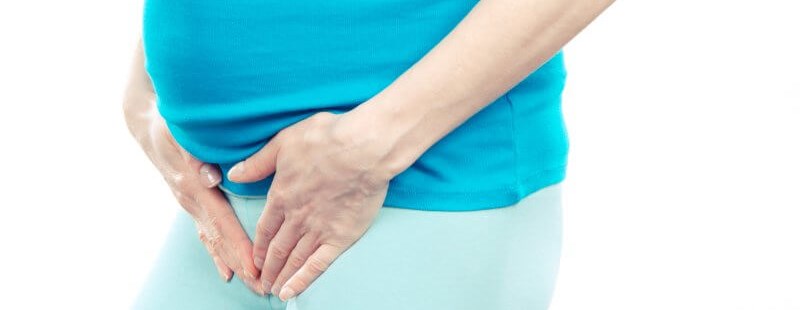
What does urogynecology deal with?
A urogynecologist deals with clinical problems associated with pelvic floor dysfunction, which affect the bladder, reproductive organs and bowels. Pelvic floor disorders include stress urinary incontinence, overactive bladder, fecal incontinence, and prolapse of pelvic organs, including the urethra, bladder, vagina, uterus, bowels and rectum. Urogynecology is a subspecialty of gynecology, and in some countries is also known as female pelvic medicine and reconstructive surgery because urogynecologists are increasingly helping women who have suffered perineal trauma during childbirth.
What conditions does urogynecology treat?
It is estimated that urogynecology can help up to one in three women over 50 struggling with incontinence. Unfortunately, the problem can be much broader and affect more than just older women. Urogynecology has an extensive scope and treats, among other things:
- stress urinary incontinence,
- overactive bladder,
- neurogenic bladder,
- pelvic organ static disorders,
- pelvic pain syndromes,
- urogenital fistulas.
What is urogynecological physiotherapy?
Urogynecological physiotherapy, although still little known in Poland, its physiotherapeutic benefits are beginning to be appreciated. This very important branch of physiotherapy dealing with the restoration of fitness and function in the female pelvic area will be introduced by urogynecological physiotherapist at Rehasport in Gdansk, Magdalena Paszko.
What does a urogynecological physiotherapist do?
Urogynecological physiotherapy, is a fairly new and not yet widespread field of physiotherapy. Often patients from Gdansk with urogynecological disorders do not know that they can with their problem go to a physiotherapist who has completed additional training in this field. Rehabilitation has a preventive, diagnostic and therapeutic effect and includes patients of all ages. Dysfunctions encountered by urogynecological physiotherapists in their office include: various forms of urinary incontinence, lowering of the reproductive organs, fecal incontinence, gas incontinence, pelvic pain, sexual disorders (including pain during intercourse). It gives a lot of hope that physiotherapy is starting to become more popular among pregnant and post-partum women.
Who can benefit from urogynecological physiotherapy in Gdansk?
Urogynecological physiotherapy in Gdansk is aimed at both men and women, although a much higher percentage in the practice are women. Men also struggle with urogenital disorders, i.e.: urinary incontinence, sexual dysfunction or chronic pelvic pain. One of the main causes of incontinence is prostate surgery (prostatectomy).
The problem of incontinence is generally associated with old age. Are young people coming forward for urogynecological physiotherapy in this area?
It is true that age is an additional risk factor for incontinence, this is due, among other things, to the reduced elasticity of the connective tissue. Our patients are largely young, economically active people who want to return to a fully comfortable life. As you know, these conditions are very embarrassing for many patients, which affects their self-esteem, social life or intimate relationships.
When to go to a urogynecological physiotherapist during pregnancy?
Women can come in any month of pregnancy with a consent from the attending physician about the absence of contraindications to rehabilitation. Although usually begins systematic preparation for childbirth in the 2nd trimester, where changes begin to be visible in the patient. The physiotherapist teaches how to properly activate and relax the muscles of the pelvic floor as a prevention of incontinence, carries out manual therapy of soft tissues, training in terms of strengthening and relaxing the most vulnerable muscles, as well as preparing the body for the birth itself.
What postpartum problems can women expect, and is this where urogynecological physiotherapy can also help?
Pregnancy, as well as childbirth, is a very heavy burden on a woman's body, which is why many women struggle with urogenital, musculoskeletal or digestive dysfunctions. Official epidemiological data estimates that 15-30% struggle with urinary incontinence, anorectal incontinence after vaginal births 23%, lowering of the reproductive organs, distention of the rectus abdominis muscle. The physiotherapist also mobilizes the scar: after natural childbirth after perineal rupture/incision (episiotomy) as well as after cesarean section.

In the intimate sphere like lack of satisfaction in intercourse, can urogynecological physiotherapy also apply?
As much as possible, sex life is a very important sphere of a person's life, and its absence leads to frustration and to a lack of satisfaction with partner life. Pain during intercourse can result from increased muscle tension, lowering of the reproductive organs or damage to the vulvar nerve. Another factor that can affect these complaints is the emotional aspect, which is why it may happen that a physiotherapist refers a patient to a psychotherapist.
What does urogynecological physiotherapy in Gdansk look like?
At the Rehasport facility in Gdansk, physiotherapy is carried out in a closed office so that the patient feels as comfortable as possible during the interview or therapy. The first visit looks similar to classic orthopedic or neurological rehabilitation i.e. an extensive interview and full diagnostics. In addition, the patient completes a questionnaire on urination, bowel movements, lowering of the reproductive organs and sex life. Usually at the appointment, the physiotherapist offers a transvaginal examination to assess the pelvic floor only with the patient's written consent, which she can discontinue at any time. This is how therapy can be planned for the patient after a complete diagnosis.
How long does urogynecological therapy generally take?
Of course, it depends on the type of urogynecological dysfunction as well as how long the patient has been struggling with the problem. Taking stress urinary incontinence as an example, with regular visits and conscientious exercises at home, the first effects can be felt by the patient after just 3 weeks. But as I mentioned above, it is important to diagnose at the first visit in order to select an individual rehabilitation program for the patient.
Urogynecological physiotherapist in Gdansk will help you with the following problems:
- urinary incontinence
- urgency
- lowering of the organs of the pelvis minor
- painful menstruation
- painful intercourse
- postpartum damage to the pelvic floor muscles
- preparation for pelvic surgery
Diagnostic tests
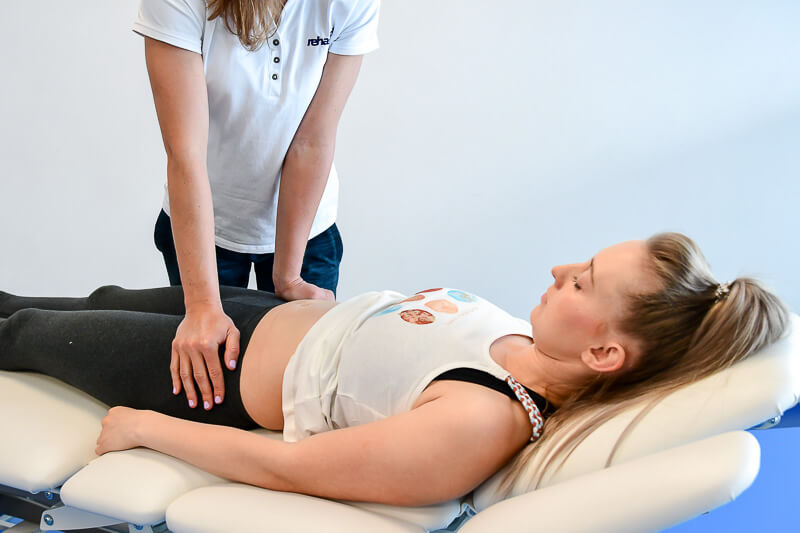
Visceral mobilizations
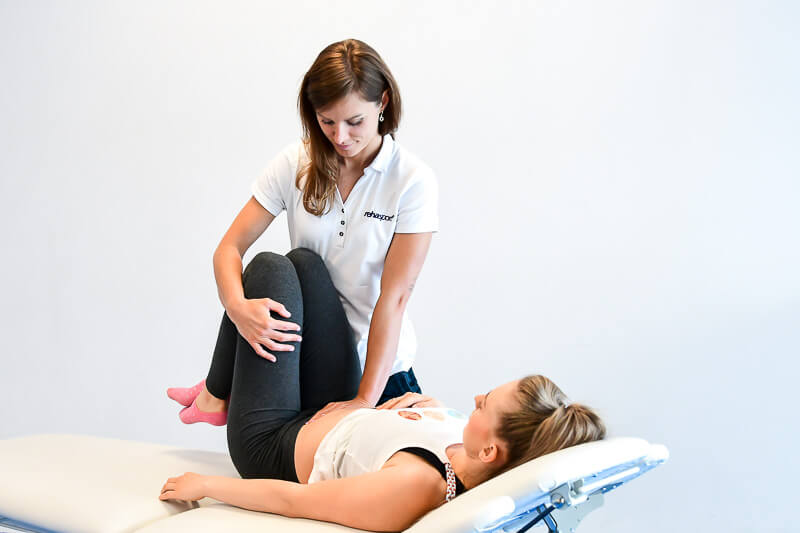
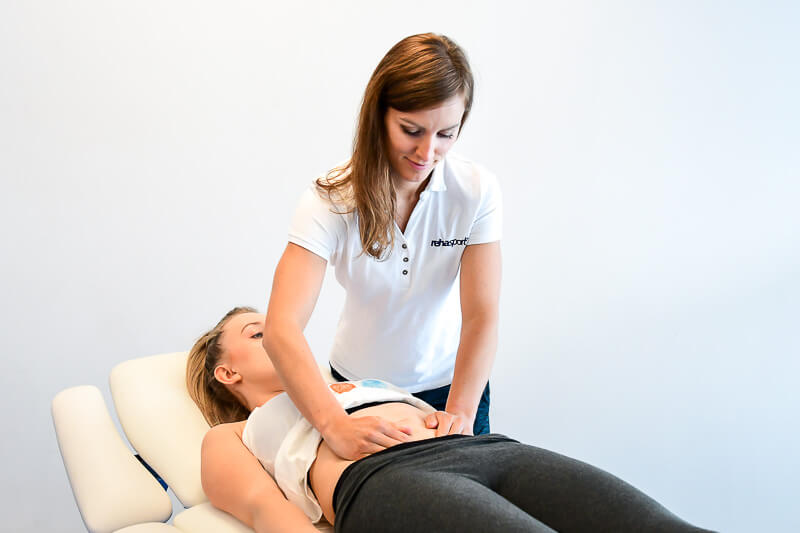
Pelvic floor muscle relaxation
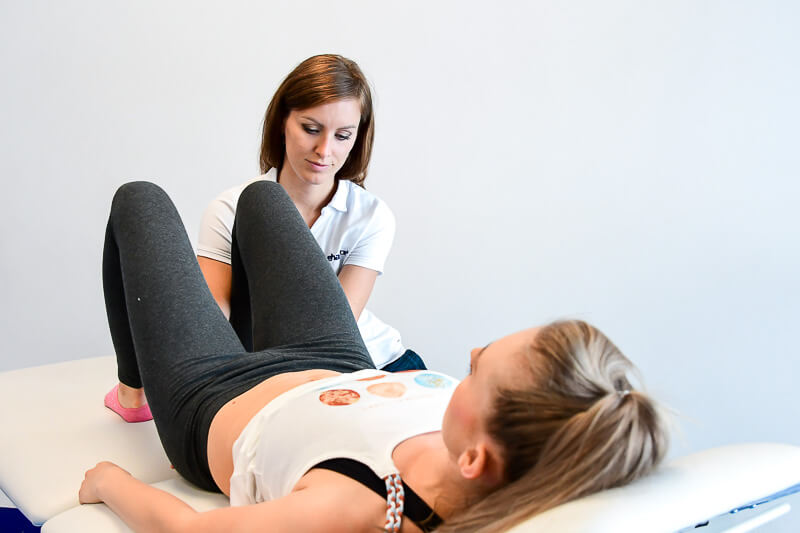
Musculo-fascial relaxation
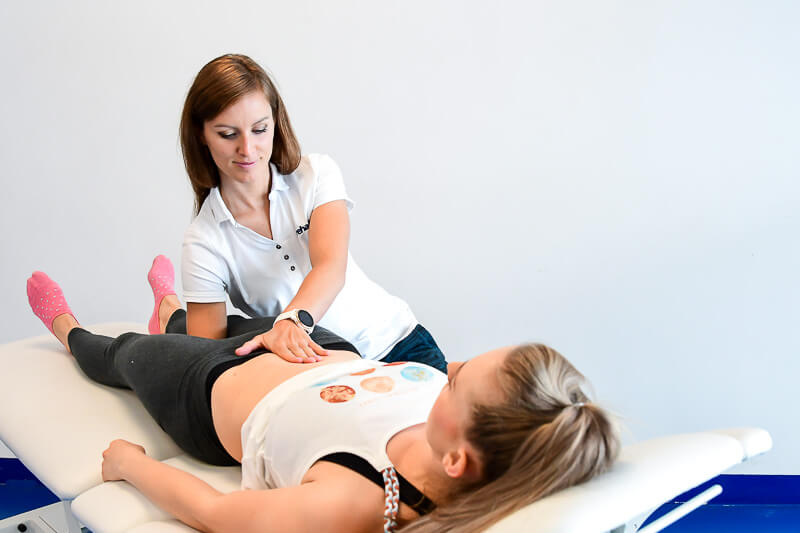
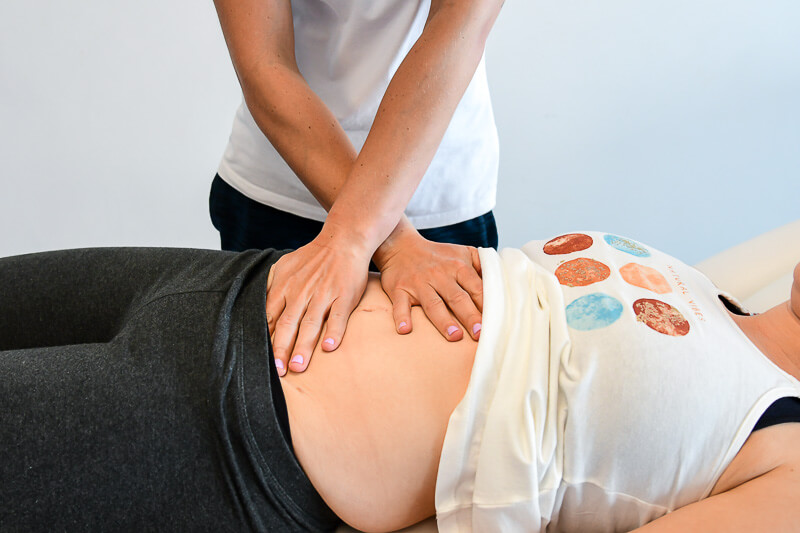
Strengthening exercises
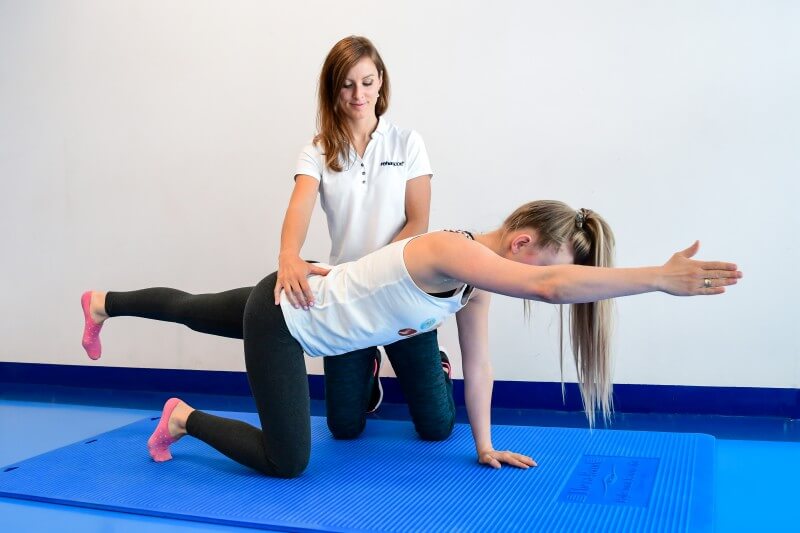
Relaxation exercises

If you would like to make an appointment with a urogynecological physiotherapist in Gdansk, call +48 / 616 281 181 or schedule an appointment online
Bibliography:
- Fizjoterapia uroginekologiczna w leczeniu nietrzymania moczu u kobiet - M Waleczek - 2019
- Wybrane metody fizjoterapeutyczne w leczeniu dysfunkcji mięśni dna miednicy - Matulska Małgorzata - 2018
- Rehabilitacja w ginekologii - Kompleksowe leczenie schorzeń uroginekologicznych - Znaczenie fizjoterapii - DR N. MED. PAWEŁ SZYMANOWSKI, MGR ANNA WÓJCIK, DR WIOLETTA KATARZYNA SZEPIENIEC, PROF. MARCIN JÓŹWIK
- What Is a Urogynecologist? - Written by WebMD Editorial Contributors Medically Reviewed by Dan Brennan, MD on June 28, 2021